Physical Stores as Essential Third Spaces
With the rise of remote work, retail locations are evolving into critical third spaces separate from the home and workplace. Demand for real-world community hubs extends across all age groups, even as younger generations like Gen Z and Gen Alpha drive renewed mall foot traffic. To meet this need, retail leaders are focusing on store environments designed around leisure and social connection instead of purely transactional buying.
Elevating the Role of Store Associates
Modern retail strategies are fundamentally redefining the role of store personnel. Forward-thinking brands are moving beyond standard retail staffing by recruiting specialized experts who act as brand ambassadors. Additionally, companies are restructuring the traditional selling framework around meaningful customer engagement, leveraging AI to conduct interactive role-play scenarios that prepare associates for real-world interactions. Ultimately, businesses are transforming how they recruit, train, and empower front-line staff to cultivate authentic human connections.
INSIGHTS FROM THE DIRECT 60
The Lead interviewed executives transforming go-to-market strategy across leading global brands. Explore the leaders, and the ideas, shaping what comes next.
Engaging the Senses to Build Atmosphere
Beyond human interaction, full-sensory atmosphere plays a pivotal role in brand recall—from curated music to custom scents and tactile design. For instance, one brand collaborated with a sonic engineer to overhaul its store playlist, tailoring audio to individual locations while introducing a single signature fragrance across all retail sites. Small, sensory nuances like these aggregate into a powerful, cohesive brand identity.
Meeting Audiences Where They Naturally Gather
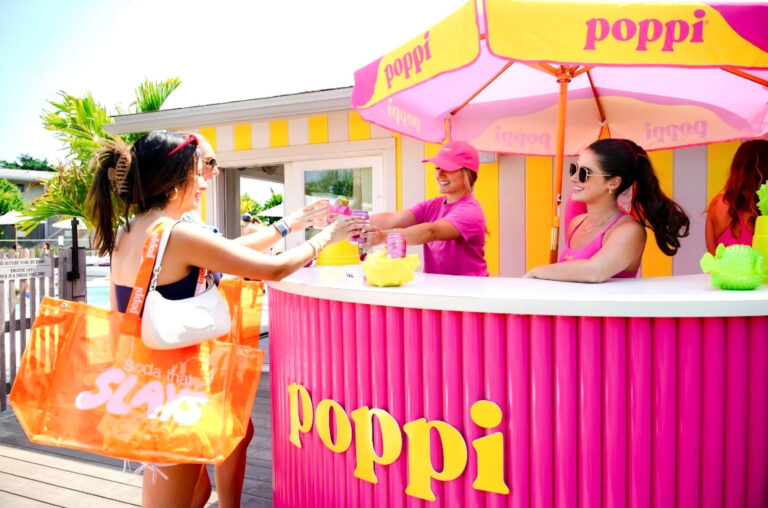
Rather than relying solely on sponsored digital posts, forward-thinking brands are creating physical presences where target audiences already hang out. Companies are distributing samples at concerts, launching pop-ups in fan-requested cities, activating at major sports tournaments, and hosting networking brunches during the Super Bowl. Showing up in these shared, real-world spaces creates memorable “surprise and delight” moments that feel organic.
As Lisa Zlotnick, U.S. Head of Brand PR at SHEIN puts it:
“The pendulum is swinging from AI to IRL. In order for brands to succeed today, they need to truly understand their customer and be able to move at the pace of culture. It’s not only understanding what their customers are buying, but the “why” behind their purchasing decisions. What’s the emotional connection driving that purchase? And then building experiences that bring communities together in fun, engaging ways.”
Building Tangible Relationships Beyond Points
In an era of infinite digital noise, physical mailers, handwritten notes, hosted appreciation events, and surprise gifts immediately stand out. Rather than relying exclusively on traditional transactional points programs, brands are leveraging tangible touchpoints and personalized human contact for high-value clients while letting AI handle routine automation.
Harnessing Physical to Drive Discovery, Conversion and Community
Customers still want to touch, feel, and evaluate products in person before committing, especially for higher consideration items. Physical stores serve as ideal environments for low-risk initial discovery and sampling, laying the groundwork for digital conversion later on.
Connecting with a brand in physical space makes a bigger emotional imprint on a consumer. So whether its stores, pop-up activations, or direct mail, brands that are investing in tangible experiences are investing in their own future.